
Energy

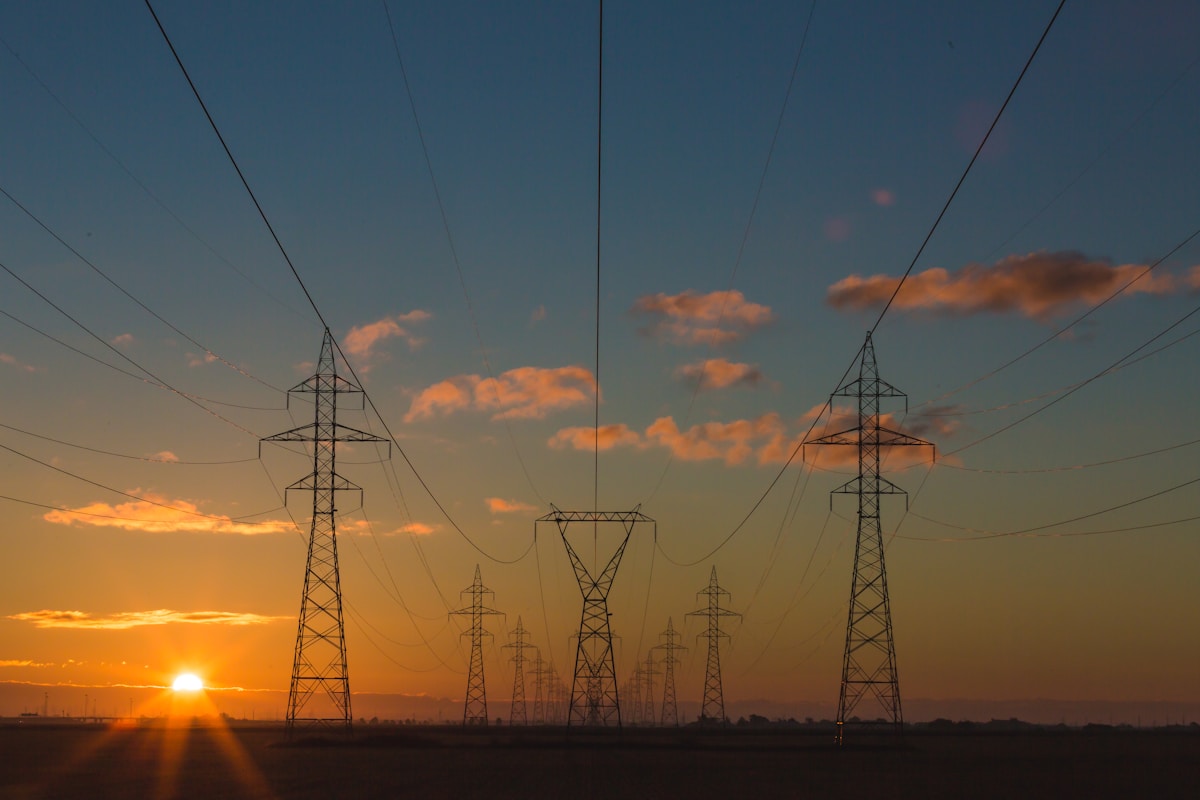
Azerbaijan, Georgia, and Romania signed a landmark agreement in Baku formalizing plans for the Caucasus Green Energy Corridor, a subsea electricity transmission system designed to deliver renewable energy from the Caspian region to European markets.
The project envisions a 1,195-kilometer submarine cable crossing the Black Sea, connecting Azerbaijan's expanding renewable energy generation capacity with Romania's grid and onward to the broader European electricity network. Initial transmission capacity is planned at 1,000 megawatts, with potential expansion to 4,000 megawatts.
Azerbaijan's aggressive renewable energy development, targeting 6 gigawatts of solar and wind capacity by 2030, provides the generation foundation for the corridor. Georgia's transit role leverages existing transmission infrastructure while offering opportunities for renewable development integration.
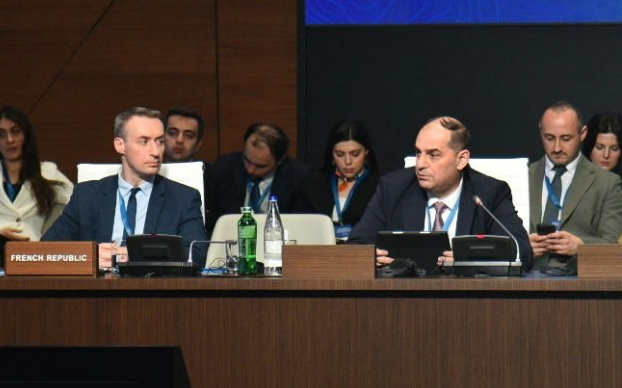
European Commission officials attending the signing ceremony emphasized the corridor's strategic importance for energy diversification. The project aligns with EU objectives to reduce dependence on Russian energy while accelerating clean energy deployment.
Financing discussions involve European development banks, international financial institutions, and private investors. The project's estimated cost exceeds $3 billion, with construction potentially commencing in 2027 pending final investment decisions and regulatory approvals across all participating nations.