Business
Armenia Moves Workers Earning Up to AMD 200,000 Into Health Insurance

October 30, 2026

3
Min

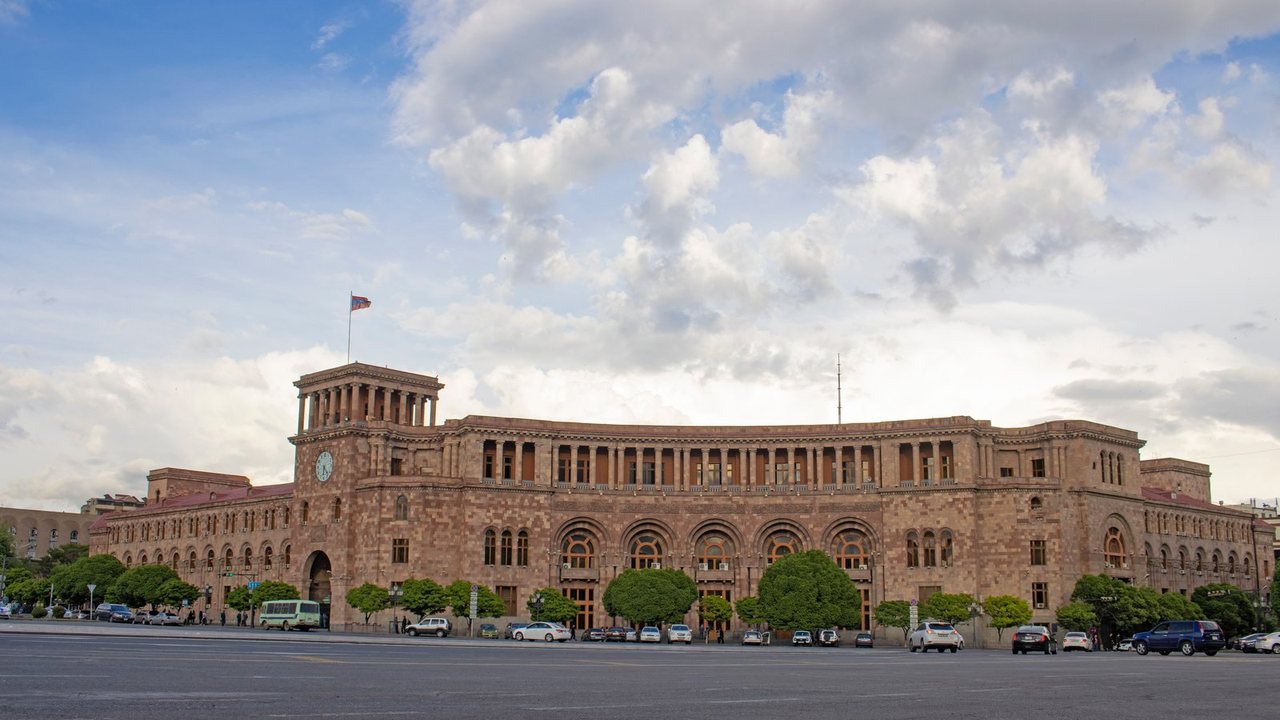
Armenia's government on 29 October approved bills that would bring citizens earning a salary of up to AMD 200,000 into the Universal Health Insurance system from 1 January 2027, with employers paying AMD 4,400 a month for each covered worker, according to the Office of the Prime Minister.
The government's account of the Cabinet meeting says ministers approved amendments and additions to the Law "On Universal Health Insurance" and an amendment to the Law "On Medicines". Minister of Health Anahit Avanesyan said the monthly insurance premium for the new group totals AMD 10,800. The state will subsidise AMD 4,400, the employer will cover AMD 4,400 and the employee will pay AMD 2,000.
The bills also open the system to family members. From 1 January 2027, employed people will be able to insure dependants voluntarily: those earning between AMD 200,000 and AMD 500,000 will be able to add one family member, paying for them personally, and those earning more than AMD 500,000 will be able to add two. The bills also set mechanisms for including drivers who provide taxi services through electronic platforms.
Prime Minister Nikol Pashinyan presented figures from the first nine months of the system. According to the government, 26,914 pensioners aged 65 and older used services valued at AMD 1 million or more, and 62,116 pensioners used services valued at AMD 500,000 or more. Across all groups, 97,582 people used services worth AMD 500,000 or more, and 2,021 people aged 65 and older used services worth AMD 4 million or more.
The reform is being phased in over three years. As ARKA reported in August, citing the Ministry of Health, the first phase in 2026 covers people whose insurance is funded by the state: minors under 18, people aged 65 and over, people aged 18 to 65 with disabilities and families with 28 or more social deprivation points. The second phase, from 2027, adds people earning up to AMD 200,000, and further groups, including people working in agriculture and their families, follow from 2028. The minister met employers in August to discuss how the lower-paid group would join the system.
The cost-sharing formula approved on 29 October matches the approach Pashinyan set out in August. At a meeting on the 2027 steps of the implementation strategy, Armenpress reported, he said the employee's AMD 2,000 share equals the amount workers previously paid to the Zinapah Foundation until 1 January 2026. He also described a possible scenario from 1 January 2028 in which the employee would pay AMD 6,000 of the AMD 10,800 cost and receive it back as a social credit after filing the universal income declaration, while the employer would pay the remaining AMD 4,800.
Pashinyan said at that meeting that the government aims to include all segments of the population in the system by 1 January 2029, and that it would be beneficial if employers paid as many employees as possible salaries of AMD 200,000 or more. Workers whose pay rises above the threshold would move into the system designed for those earning AMD 200,000 or more.
The same Cabinet meeting approved the list of goods subject to mandatory labelling under a pilot programme, which Vrezh Mkhitaryan, Deputy Chairman of the State Revenue Committee, said is intended to expand the range of labelled goods in Armenia.
For companies with lower-paid staff, the change would become a new fixed payroll cost from January once the bills are adopted. An employer with 100 workers earning up to AMD 200,000 will pay AMD 440,000 a month, or AMD 5.28 million a year, in insurance contributions for them on the 2027 terms, by CBJ's calculation from the government's figures.
The figure also changes the arithmetic of pay decisions near AMD 200,000. Payroll teams will need to track which workers fall below or above the threshold, and drivers working through taxi platforms are also to be brought into the system. CBJ reported this week that Armenia's 1,000 largest taxpayers paid AMD 1.64 trillion in nine months; the insurance contributions add a further line to the costs employers carry, alongside an economy the World Bank expects to grow 5.6 per cent this year.