Mining
Armenia Moves to License Copper, Steel and Aluminium Exports in 2027

October 30, 2026

4
Min

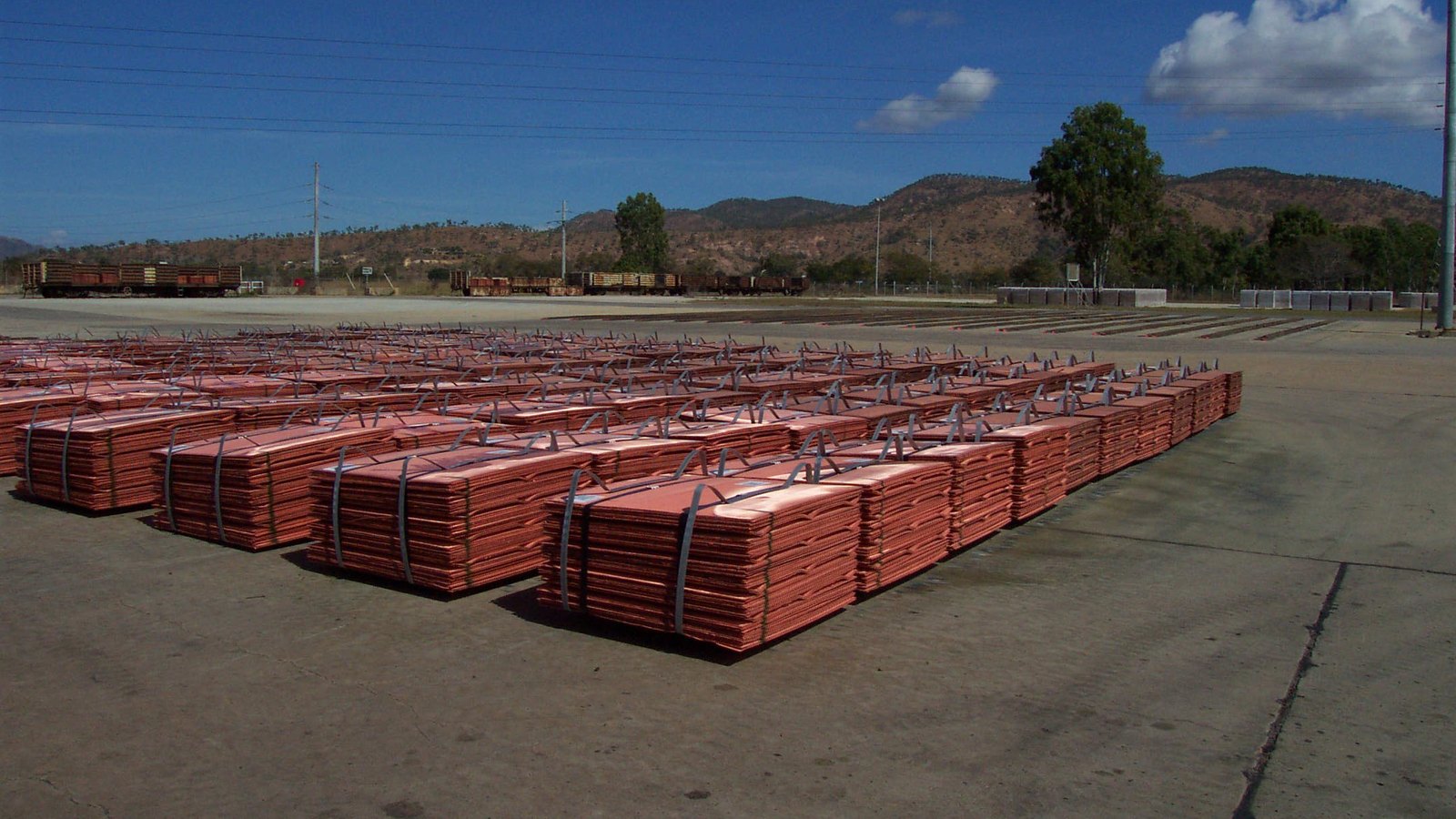
Armenia's Ministry of Economy has proposed two government decisions that would restrict exports of raw and semi-processed metal for the first seven months of 2027. The first makes exports of iron, steel, refined copper and unwrought aluminium to countries outside the Eurasian Economic Union (EAEU) subject to a licence from 5 January to 5 July 2027. The second renews the temporary ban on shipping ferrous and non-ferrous scrap out of Armenia, including to EAEU partners, from 4 February to 4 August 2027. Both drafts went up for public comment on 29 October, with comments open until 13 November.
According to the justification for the licensing draft published on Armenia's legal drafts portal, the licence would cover goods under EAEU customs codes 7206, 7207, 7224, 7403, 7601 and 7603. In plain terms: iron and non-alloy steel in ingots and other primary forms, semi-finished products of iron or non-alloy steel, alloy steel in ingots, refined copper and unwrought copper alloys, unwrought aluminium, and aluminium powders and flakes. None of the six codes covers ores or concentrates.
The ministry describes the mechanism as a general licence. Each licence states the total quantity of metal an exporter may ship, and the exporter can send it in separate consignments within the licence period without returning to the authorised body for every shipment. The ministry says this is meant to keep the administrative burden as low as possible. Application and licence forms will also be available in Russian, at the applicant's request, for metal that crosses other EAEU states on its way to a third country.
The six-month term is not arbitrary. The justification states that the Treaty on the Eurasian Economic Union sets six months as the maximum period for such a restriction. The procedure now in force, set by government decision N 878-N of 18 June 2026, runs until 4 January 2027, so the new licensing window starts the day after. The Law on State Duty already treats exports of these goods to third countries as a licensed activity and sets the duty rate, and the ministry expects no new spending from the decision, only additional state duty revenue from licence fees.
The stated aim is to deepen processing at home. The ministry writes that the restriction should support investment programmes for new production from ferrous and non-ferrous metals with much higher added value, naming construction rebar, profiles, wire and cables as examples.
The scrap draft covers ferrous and non-ferrous scrap and waste, as well as some used ferrous products and used or worn-out machinery and electrical goods in customs chapters 84 and 85. The current ban was set for six months by government decision N 650-N of 14 May 2026; the draft sets a new period after it expires.
The ministry's case rests on raw material supply. It says Armenia has no productive ferrous metal deposits and no production of metallic copper, so local metalworking companies use domestic scrap as their feedstock. Imported scrap, it argues, has proved uneconomic because of high prices, the lack of a direct rail route and heavy logistics costs, which make finished products from imported feedstock uncompetitive even in the home market. The document adds that almost all EAEU countries have also banned or restricted exports of ferrous and non-ferrous metals.
The ministry links the policy to new capacity. According to the justification, about $240 million was invested in the sector in 2022 to 2026, including foreign investment, creating 1,680 jobs, and several companies have since used their castings to make profiles, a product that was previously only imported.
The renewal follows a pattern of rolling six-month extensions. In November 2024, SteelOrbis reported that the government had extended the scrap ban until 31 July 2025, when it had been due to expire on 30 January 2025.
For metal traders, the licensing draft keeps third-country sales of refined copper, steel billets and aluminium open but conditional for the first half of 2027: volumes will need to be planned against a licence quantity, and state duty paid to obtain the licence. Scrap dealers face another six months without an export outlet, while domestic smelters and rolling mills keep a protected feedstock base. Both drafts can still change after the comment period closes on 13 November.
The drafts follow figures for the first nine months showing that exports to the European Union rose 51 per cent to $717m, while economic activity growth slowed to 6.9 per cent over the same period.