Energy
Azerbaijan Targets 6 GW Renewable Capacity by 2030 in Green Energy Pivot

April 30, 2026

4
Min
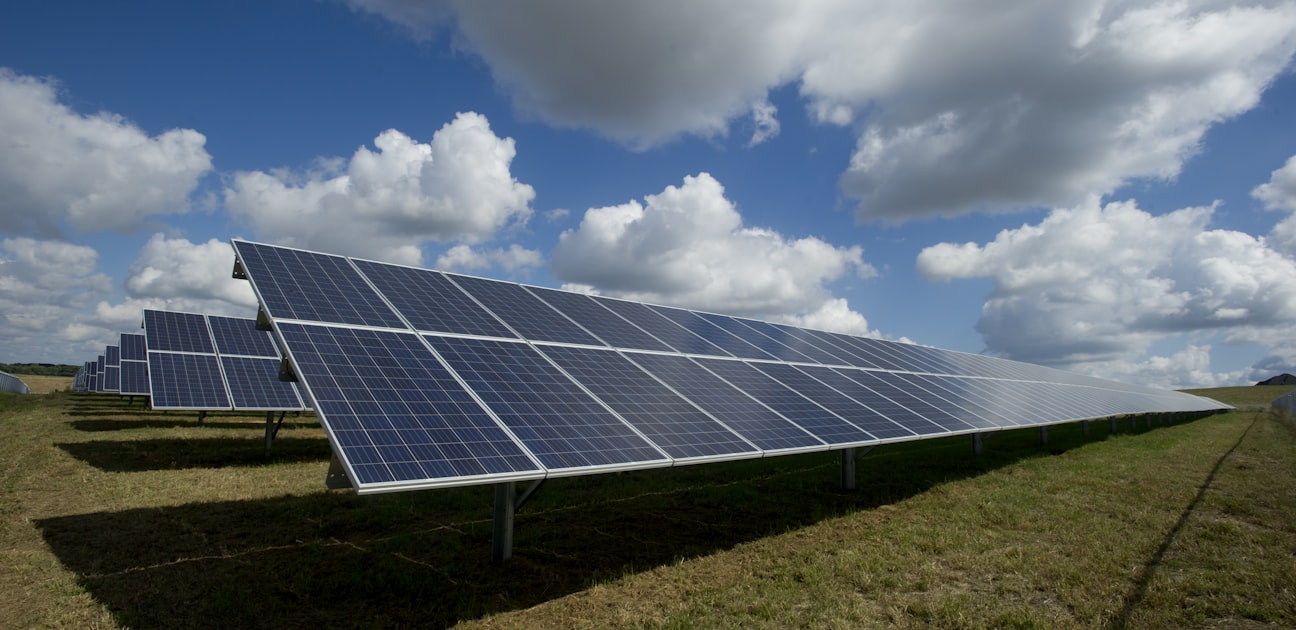
Azerbaijan is targeting 6 gigawatts of installed renewable energy capacity by 2030 as part of a strategic pivot that positions the country not just as a hydrocarbon exporter but as an emerging hub for clean power across the Europe-Asia corridor. The 6GW target, confirmed by the country's Ministry of Energy, would require approximately $2 billion in foreign investment and represents a transformational shift in Azerbaijan's energy mix and export ambitions.
The push is being led by projects already in development. The Khizi-Absheron wind farm, under development with Masdar — the Abu Dhabi-based renewable energy company — is one of the cornerstone projects, utilizing the consistently strong wind resources along Azerbaijan's Caspian coast north of Baku. The Garadagh solar plant, developed in partnership with TotalEnergies, is another flagship project expected to contribute significant capacity once fully operational. Both are structured as independent power producer (IPP) frameworks, meaning private foreign investors bear development risk and supply electricity to the grid under long-term offtake agreements with the state.
Azerbaijan's renewable ambitions extend beyond domestic grid supply to export. An MoU signed in April 2025 between Azerbaijan, Georgia, Turkey, and Bulgaria formalized a cross-border renewable electricity transmission framework — creating a corridor to carry Azerbaijani wind and solar power to European electricity markets. This green energy corridor would complement the existing Southern Gas Corridor and give Azerbaijan a parallel clean energy export infrastructure better suited to Europe's post-2030 energy mix. Full details on Azerbaijan's energy sector are available from Trend.az's reporting on the country's green transition.
The renewable push is also strategically connected to Azerbaijan's hosting of COP29 in Baku in November 2024, a moment that placed significant global attention on the country's climate commitments. Post-COP29, the government has been under pressure to translate headline commitments into concrete investment and policy action, and the $2 billion investment pipeline attached to the 6GW target is partly a response to that pressure. International commentary on Azerbaijan's energy sector innovation is available from CommonSpace.eu.
For foreign investors, the combination of sovereign guarantee frameworks, Masdar and TotalEnergies as de-risking anchors, and a government serious about its 2030 targets creates a credible pipeline of IPP opportunities. Azerbaijan's renewable resources — solar irradiance in the southern regions and consistent Caspian winds — are genuinely competitive with peer markets in the MENA region that have successfully attracted large-scale renewable investment.
The critical test will come between 2026 and 2028, when the pipeline of permitted projects needs to move from development stage to financial close. Grid integration infrastructure, regulatory clarity on power purchase agreement terms, and transmission capacity from generation sites to export corridors will all need to advance in parallel for the 6GW target to be achievable by 2030.