Energy
Azerbaijan Targets 6–8 GW of Renewables by 2032

August 30, 2026

4
Min
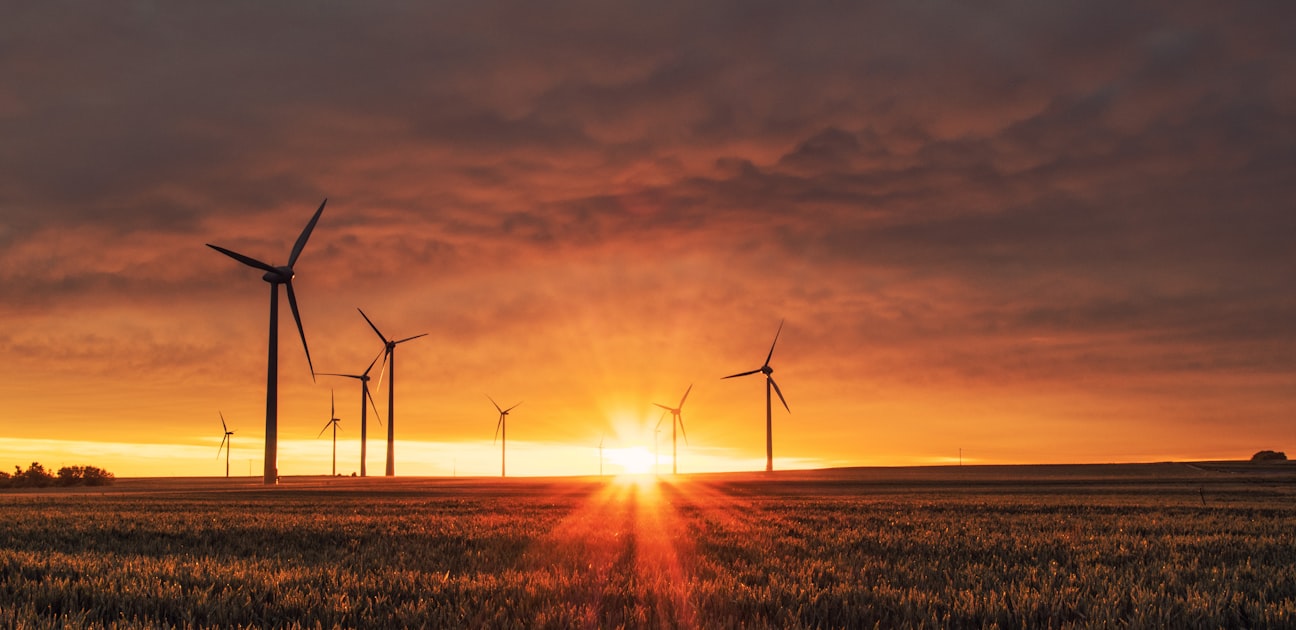
Azerbaijan has inaugurated its largest wind power station to date — ACWA Power's 240-megawatt Khizi-Absheron facility — and President Ilham Aliyev has publicly confirmed the country's target of 6 to 8 gigawatts of renewable electricity capacity by 2032. The announcements, made at the 12th Ministerial Meeting of the Southern Gas Corridor Advisory Council and the 4th Green Energy Advisory Council Ministerial Meeting in Baku, mark a decisive escalation in Azerbaijan's clean energy transition.
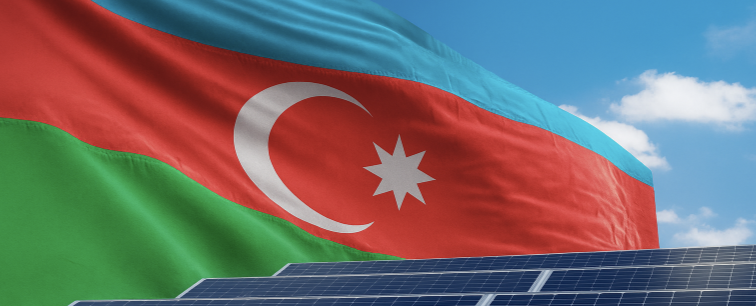
The Khizi-Absheron wind farm is expected to generate 1 billion kilowatt-hours of electricity annually, saving 220 million cubic meters of natural gas and preventing more than 400,000 tons of CO₂ emissions each year. This follows the 230MW Garadagh Solar Plant completed by UAE-based Masdar in 2023 — the largest solar facility in the Caspian region — and a pipeline of projects now totalling over 2 GW either operational or in construction. President Aliyev made clear that the green energy drive is part of a broader economic strategy: displacing domestic gas consumption to free up more natural gas for export to Europe, while creating the conditions for energy-intensive industries including AI infrastructure and data centres.
The scale of ambition is significant. Azerbaijan has contracted 445MW of solar at Bilasuvar, 315MW at Neftchala, and a 240MW wind farm at Absheron-Garadagh, all in partnership with Masdar and SOCAR Green. According to Caspian News, Aliyev stated at the ministerial meeting: "By 2032, we expect 6 to 8 gigawatts of electric power from renewable sources. This, of course, is a big asset." The EU was also represented at the roundtable, with discussions covering partnership and investment opportunities in the green energy sector involving Siemens Energy, TotalEnergies, ENERCON, EBRD, ADB, and the IFC.
The strategic logic is compelling for international investors. Azerbaijan sits at the intersection of Southern Gas Corridor gas exports to Europe, a growing renewables portfolio, and the emerging AI/data centre economy being anchored by the US-Azerbaijan Strategic Partnership Charter. SOCAR Green now manages over 1.4 GW in active projects, with agreements with Masdar and Chinese partners raising the total pipeline to nearly 6 GW. The World Economic Forum has noted SOCAR's role as a model for how traditional hydrocarbon producers can lead rather than lag the energy transition.
For investors and energy companies, Azerbaijan's renewable expansion creates a clear entry point: project financing, equipment supply, grid infrastructure, and data centre development are all active areas of opportunity. The country's track record of delivering large-scale energy projects on schedule — reinforced by the ACG and Shah Deniz megafields — lends credibility to the 2032 timeline.