Energy
Azerbaijan and UAE Elevate Partnership with Joint Projects in Green Energy and Transport

March 10, 2026

4
Min
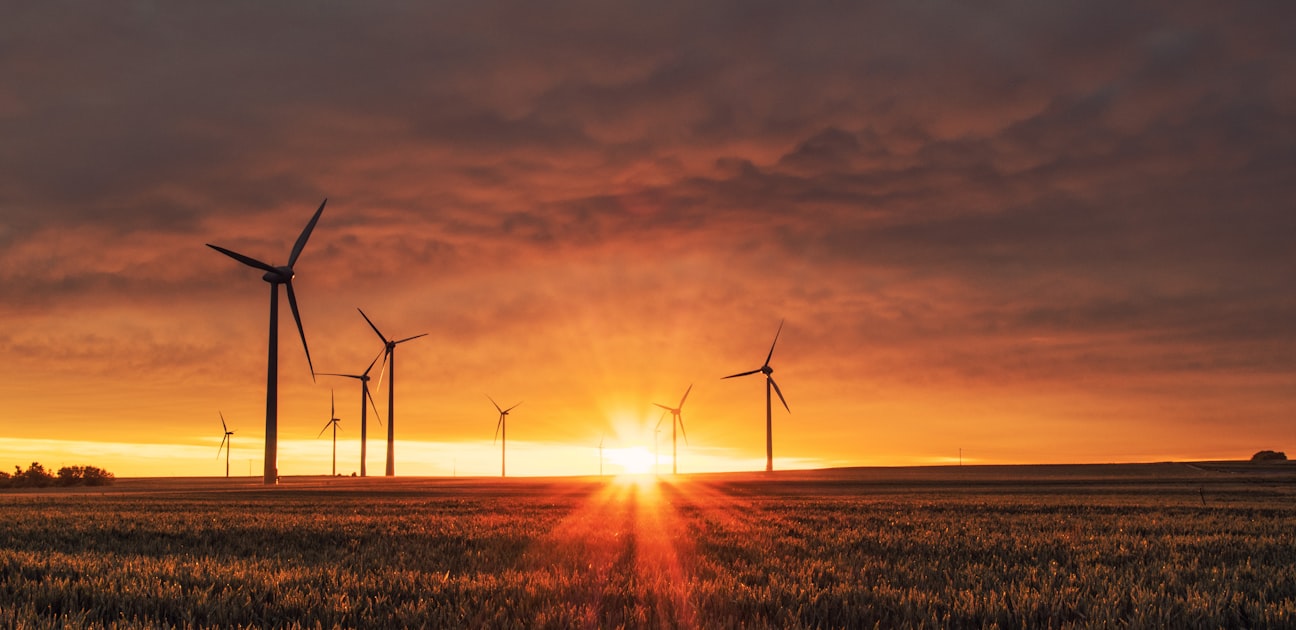
Azerbaijan hosted a high-level UAE delegation in Baku for talks on deepening strategic economic cooperation, with Economy Minister Mikayil Jabbarov confirming that both sides expressed satisfaction with the elevation of bilateral relations to full strategic partnership status.
The discussions, led by Mohammed Ali Al-Shorafa, Chairman of Abu Dhabi's Department of Municipalities and Transport, focused on expanding cooperation in transport and infrastructure, green energy development, digitalization, and bilateral trade. Both sides reviewed jointly implemented projects and highlighted positive dynamics in trade turnover, according to official readouts.
The meeting builds on a substantial foundation of Gulf-Azerbaijani energy cooperation that has deepened rapidly since 2024. UAE state firm ADNOC and Azerbaijan's SOCAR have expanded their collaboration into low-carbon technologies and renewable energy, while Masdar is already a key partner in Azerbaijan's flagship 230-megawatt Garadagh Solar Power Plant, the largest solar facility in the Caspian region. Trend.az has tracked the progression of this partnership over multiple rounds of negotiations.
For Azerbaijan, the UAE relationship represents a critical pillar of its multi-vector economic diplomacy strategy, which seeks to deepen ties with Gulf sovereign wealth and infrastructure funds as it diversifies its economy beyond hydrocarbons. The Port of Alat and the adjacent 719-hectare Alat Free Economic Zone are among the flagship projects attracting Gulf capital, with Phase I complete and seven investors already onboard.
The bilateral engagement also reflects the broader trend of Gulf states repositioning themselves as long-term strategic investors in Caucasus and Central Asian infrastructure, a trend analysts describe as post-oil diplomacy in practice. Eurasianet has analyzed how Gulf investment is reshaping the South Caucasus economic landscape beyond the hydrocarbon sector.