Business
Caspian Corridor Faces Capacity Strain as Middle Route Trade Volumes Rise

April 30, 2026

4
Min
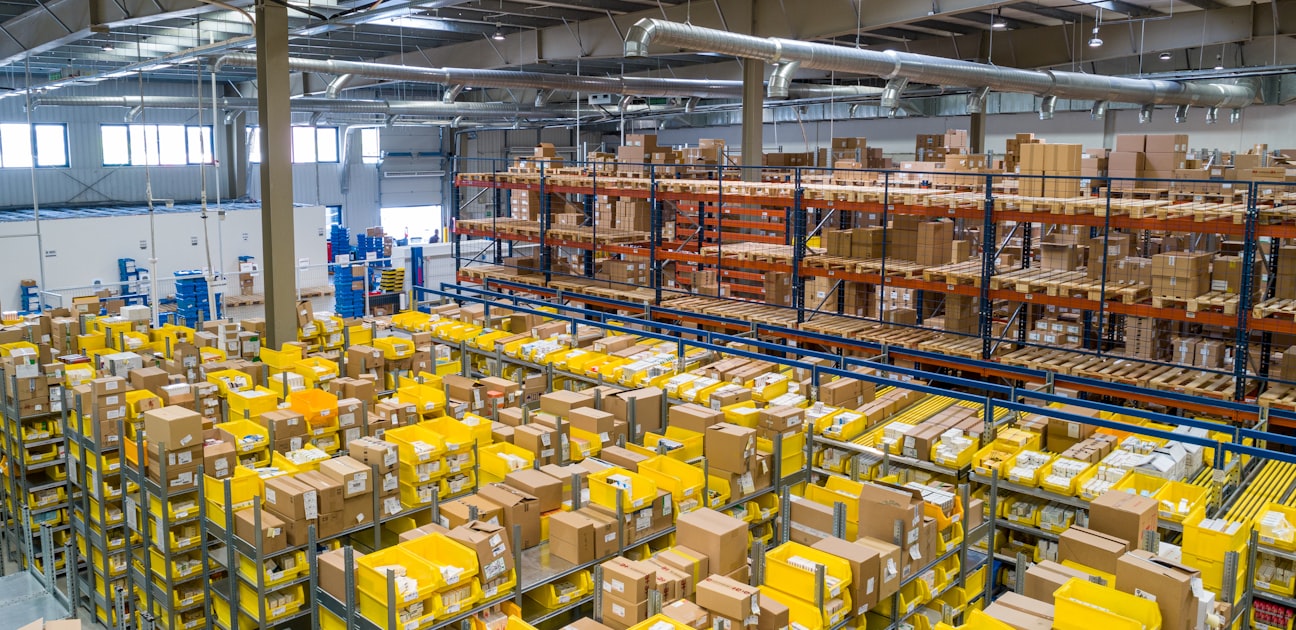
Caspian and Black Sea ports handling cargo along the Middle Corridor are experiencing growing capacity strain as trade volumes along the trans-continental route continue to accelerate, with demand from Central Asian exporters and European importers outpacing available throughput at several key nodes. The pressure, documented in a late April 2026 Euronews analysis of Caspian logistics dynamics, reflects both the route's long-term strategic rise and the near-term infrastructure challenge of managing that growth.
Azerbaijan's Alyat terminal, the main Caspian gateway for cargo moving between Central Asia and Europe, is handling rising throughput as freight operators reroute goods away from disrupted Russian rail corridors. Kazakhstan's Aktau and Kuryk ports are seeing similar pressure, with container handling volumes growing at rates straining crane, rail connection, and storage capacity built to earlier demand assumptions. Georgia's Black Sea ports at Batumi and Poti, where cargo transitions from rail to maritime, are also managing rising flows while planning capacity expansion programs.
The Baku–Tbilisi–Kars railway, the key South Caucasus link connecting Caspian and Black Sea legs of the route, is undergoing upgrades to expand train frequency and axle load capacity. But rail infrastructure upgrades take years to complete, and the mismatch between current investment timelines and commercial demand is creating congestion and transit time variability. The April 2026 Euronews analysis is available at Euronews's website.
Growing interest from Central Asian exporters — particularly Kazakhstan, Uzbekistan, and Turkmenistan — reflects broader supply chain diversification pressures. Chinese exporters are also increasingly testing the Middle Corridor as a supplementary route for time-sensitive goods. The convergence of these demand trends on a single corridor creates a structural case for sustained infrastructure investment but also for better traffic management and digital logistics systems.
The European Union's €30 million commitment to TITR-related infrastructure at the November 2025 Tashkent forum is a start, but industry analysts note it is modest relative to the scale of investment needed. Port and rail infrastructure improvements along the corridor's full extent — from Kazakhstan across the Caspian to Azerbaijan, through Georgia, and into Turkey — would require billions of euros over the medium term. The OSW Centre for Eastern Studies published a detailed April 2026 analysis available at osw.waw.pl.
For logistics operators and investors in Caucasus port and rail infrastructure, the capacity strain is, in one sense, a positive problem — it confirms commercial demand and justifies capital allocation toward assets that were underutilized as recently as five years ago. The challenge is ensuring that investment decisions now are scaled appropriately for the long-term route potential.
Practical priorities for 2026 include expanding Caspian port storage and handling capacity, upgrading BTK railway segments, and improving customs interoperability between corridor countries. Progress on these fronts will determine whether the Middle Corridor captures its full potential or whether capacity constraints drive shippers back to alternative routes.