Business
NEQSOL CEO Rubinski Sets Out Global Playbook at Inaugural Baku Townhall

August 2, 2026

5
Min
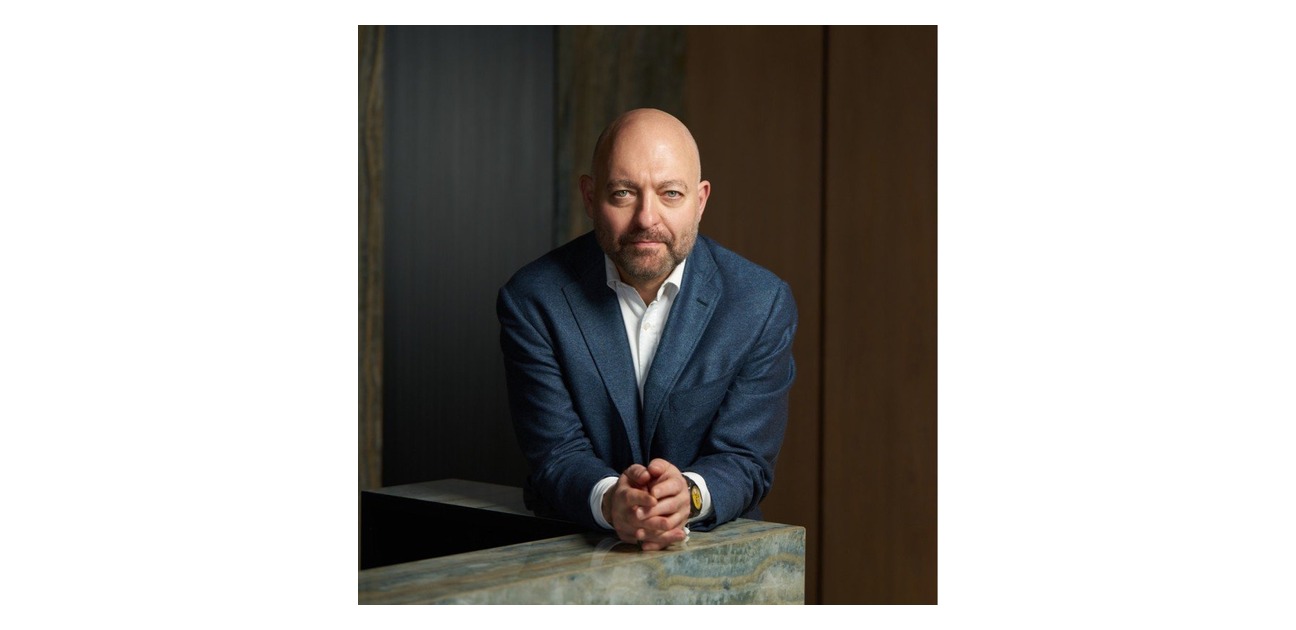
NEQSOL Holding's new Chief Executive Officer, Kirill Rubinski, used the group's first companywide townhall in Baku on May 1, 2026 to spell out a four-pillar strategic agenda focused on growth, governance, integration, and institutional capital access. The meeting was Rubinski's first significant internal platform since taking over from Yusif Jabbarov, who has moved to Chairman of the Board.
NEQSOL today serves more than 25 million customers globally and employs over 20,000 people across telecom, energy, mining, and digital infrastructure. Rubinski signaled that the next chapter will be defined less by adding business lines and more by deepening operational integration across them. His expansion thesis named Europe, Africa, and Asia as priority regions for selective partnerships and market entry. People briefed on the townhall described the tone as deliberately less promotional than recent NEQSOL communications — closer to the language a public-company CEO uses with sell-side investors than the family-conglomerate posture the group is migrating away from.
The governance pillar landed with particular weight. Rubinski emphasized what he called the "non-negotiable role" of transparency, compliance, and world-class governance, signaling continued investment in audit, risk, and disclosure infrastructure across the group. For a privately held Azerbaijani conglomerate with assets spanning 11 countries, the move is consistent with the trajectory that other large emerging-market groups have followed when seeking access to international debt and equity capital. The implicit roadmap is recognizable: institutional-grade reporting, then rated-debt issuance, then strategic minority partnerships, and eventually — if conditions align — a public listing of one or more portfolio assets.
The townhall's strategic framing was reinforced by two recent operational moves that have not been front-of-mind in Western coverage. NEQSOL is in the final stages of replacing one of its telecom billing systems with technology from Amdocs, the Israeli-founded telecom software vendor, with completion expected in June 2026. The migration aligns NEQSOL's customer infrastructure with platforms used by tier-one operators globally and is the kind of unglamorous backbone change that meaningfully widens the universe of M&A acquirers and partners a telecom group can credibly transact with.
Separately, Rubinski's public profile — a Jewish executive at the helm of one of Azerbaijan's largest privately held groups — has been read in regional media as a signal of deepening commercial ties between Azerbaijani capital and Israeli technology suppliers. The Amdocs project and Rubinski's recent business engagements covered in the Israeli press sit naturally with Azerbaijan's broader strategic alignment with Israel across energy, defense, and digital infrastructure. For investors, the practical readout is straightforward: NEQSOL's vendor and partnership base is widening in directions that traditional Russia- or Turkey-anchored CEE conglomerates do not enjoy.
The fourth pillar — international markets — is where Rubinski's deal-making background is most likely to surface first. Inside the group, the AzerTelecom Trans-Caspian fiber project, the planned Black Sea submarine cable with Vodafone Group, Nobel Energy's upstream Caspian exposure, and Norm — the largest cement producer in the South Caucasus — each represent assets where institutional capital could be deployed or recycled. Rubinski's three decades at Marsh & McLennan, Crédit Lyonnais, and East One Group, plus a Dubai-based family office covering infrastructure and venture investments, give him a working network across the institutional pools — sovereign wealth, private credit, infrastructure funds — most likely to engage NEQSOL on its current scale.
The townhall closed without specific transaction announcements, which is itself notable. Industry observers familiar with the group read the absence of headline deals as deliberate — a signal that the new CEO intends to spend his first quarter aligning the operating model and governance framework before committing to a transaction cadence. The questions that will define the next six months are clear: which portfolio asset attracts strategic capital first, whether Bakcell or AzerTelecom becomes the lead candidate for an institutional minority partnership, and whether NEQSOL files for a rated-debt issuance before year-end.