Voices
The New Geopolitics of Energy: How Renewables Reshape Caucasus Power
October 30, 2025

5
Min
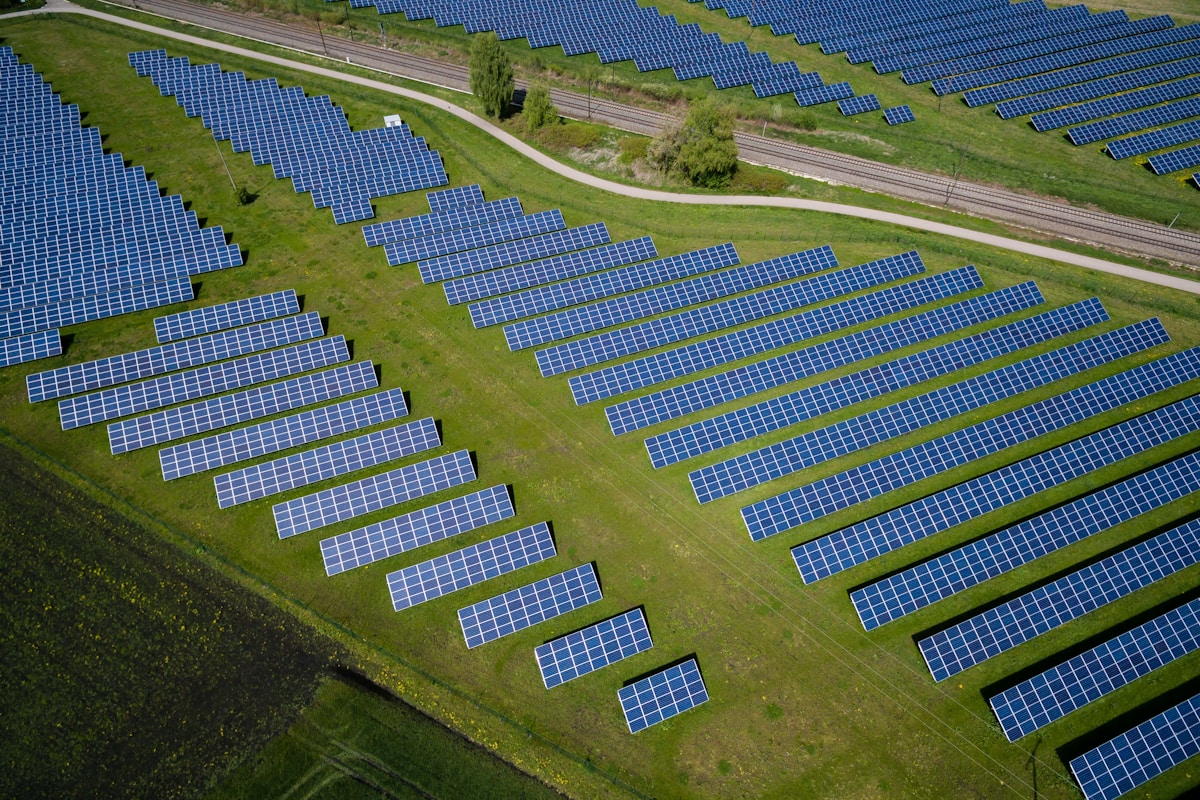
The South Caucasus energy landscape undergoes fundamental transformation as renewable energy development reshapes traditional power dynamics and geopolitical relationships throughout the region.
Azerbaijan's renewable energy push represents more than environmental commitment. By conserving natural gas for export while developing solar and wind capacity, the country maintains hydrocarbon revenue while transitioning toward sustainable energy sources.
This dual strategy enables Azerbaijan to meet climate commitments without sacrificing economic interests. The approach attracts international partnerships with major energy companies, bringing capital, technology, and expertise that strengthen Azerbaijan's regional energy hub position.
Armenia's pivot toward Western partnerships, partly driven by renewable energy and technology cooperation, demonstrates how energy transitions influence broader geopolitical alignments. Clean energy development creates new partnership opportunities beyond traditional relationships.
Georgia leverages its transit position for both traditional hydrocarbons and emerging renewable energy trade. The country's role in the Middle Corridor and potential green energy corridor positions it as a critical link between energy-producing and consuming regions.
However, renewable energy's decentralization potential poses challenges for authoritarian governance models. Unlike centralized oil and gas operations, distributed solar, wind, and hydro projects could empower local communities and businesses, reducing government economic control.
This tension between renewable energy benefits and political control concerns shapes implementation pace and project structures. The question remains whether regional governments will embrace renewable energy's full transformative potential or maintain centralized control limiting broader societal benefits.