Global
TRIPP Corridor Construction Confirmed for H2 2026 as Armenia Finalises Route

March 17, 2026

4
Min
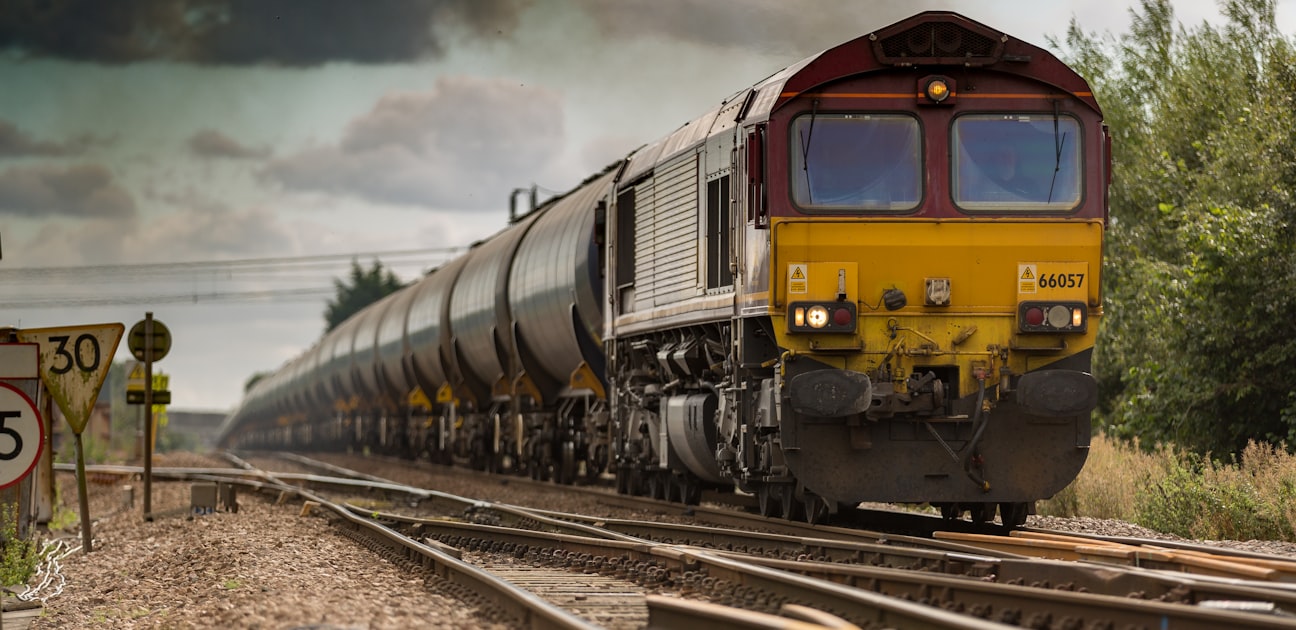
Construction of the Trump Route for International Peace and Prosperity (TRIPP) is set to begin in the second half of 2026, Armenian Prime Minister Nikol Pashinyan has confirmed. The corridor — which will include a railway, a natural gas pipeline, and a power line traversing Armenia's southern Syunik province — is the centrepiece of the August 2025 Armenia-Azerbaijan peace agreement brokered by the United States and represents the most significant infrastructure project in the South Caucasus in decades.
Pashinyan told parliament that the parameters of TRIPP's configuration and operations are expected to be completed during the first half of 2026, with construction commencing shortly after. He was explicit about the corridor's composition: a railway tracing an existing but long-defunct Soviet-era route, alongside a gas pipeline and power line. Notably, he made no mention of a highway component, though he acknowledged that plans remain subject to change. Armenia's Deputy Prime Minister Mher Grigoryan confirmed that Armenian and Azerbaijani negotiators are actively working to delimit sections of the shared border, with certain sections being prioritised to facilitate TRIPP infrastructure development.
The TRIPP Development Company structure — under which the US would hold a 74% stake and a 49-year operating concession — has been one of the most closely watched aspects of negotiations. According to OilPrice.com, Pashinyan has consistently insisted that Armenian sovereignty, law enforcement, customs, and taxation authority will remain intact over the route. US engineering firm AECOM has already conducted a site assessment in Armenia. The US Development Finance Corporation (DFC) has pledged $2 billion in guarantees to de-risk private investment in the corridor.
The strategic significance extends well beyond the 43-kilometre Armenian section. TRIPP is designed to complement the broader Middle Corridor, connecting Central Asia to Europe via Kazakhstan, the Caspian, Azerbaijan, and Turkey — bypassing both Russia and Iran. For Azerbaijan, the corridor provides a land link between Baku and its Nakhchivan exclave. For Turkey, transit revenues and trade volumes are projected in the billions. For Central Asian exporters, the route offers a new path to European markets for goods and critical minerals. The Times of Central Asia reported that the first two new ferries on the Kuryk-Alat Caspian crossing are expected to enter service in H1 2026, adding crucial capacity to the sea link that feeds TRIPP.
For businesses and investors, the H2 2026 construction timeline creates a concrete window. Infrastructure suppliers, logistics operators, and financing institutions should be mapping their entry points now. The corridor's combination of US institutional backing, Armenian sovereign guarantees, and Azerbaijani commercial demand for Nakhchivan connectivity makes it one of the most credible major infrastructure projects in Eurasia.